P/N 2455038-2: Aircraft Cooling System Part
P/N 2455038-2: Aircraft Cooling System Part
Blog Article
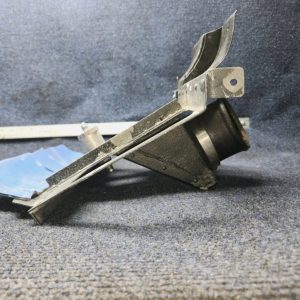
P/N 2455038-2 provides aircraft owners, maintenance facilities, restoration specialists, and aviation parts buyers with a model-specific engine-compartment component for an appropriately configured Cessna Cutlass.
A Cessna 172RG Rear Right-Hand Baffle may also be described as a Cessna 172RG Engine Baffle or Cessna 172RG Cooling Baffle when the position and part number remain clear.
The Cessna Cutlass Engine Baffle and Aircraft Engine Baffle Assembly keywords help qualified buyers locate relevant replacement parts.
Whether buyers require a Cessna Engine Cooling Baffle, Aircraft Cooling Air Baffle, or Cessna 172RG Airflow Baffle, surrounding seals and attachment points should also be inspected.
The Cessna Aircraft Engine Baffle, Engine Cooling Baffle Assembly, Cessna Cutlass Cooling System Part, and Cessna 172RG Replacement Baffle terms represent related maintenance and commercial searches.
Key Identification Details for the Cutlass Baffle
The P/N 2455038-2 marking should be confirmed through stamped identification, labels, donor-aircraft records, packaging, photographs, and applicable Cessna parts information.
The right-hand orientation and rear engine-compartment location should be verified before shipment or installation.
Function of the Rear Right-Hand Baffle
The component should not be considered an isolated panel because its effectiveness depends on the condition of the complete baffle arrangement.
Complete evaluation helps maintenance personnel address the underlying cooling concern.
Verifying Fitment Before Purchase
The Cessna 172RG Cutlass may contain production changes, previous repairs, engine modifications, or altered cooling-system components that affect fitment.
A component that fits one aircraft approximately may still interfere with another installation.
Cessna Baffle Flanges and Brackets
Preserving original geometry supports proper alignment and airflow management.
Previous forming or repair work should be disclosed and inspected carefully.
Rear RH Baffle Damage Inspection
Inspection should begin with the baffle clean enough Aircraft Engine Baffle Assembly to reveal cracks, corrosion, dents, distortion, elongated holes, fretting, damaged flanges, broken brackets, and previous repairs.
The assembly should be checked for evidence of engine vibration, cowling contact, exhaust heat, fluid contamination, impact, improper removal, and unsuitable storage.
Managing Gaps Around the Engine Baffles
The offered assembly should identify whether seal material, retainers, rivets, or mounting hardware are included.
Replacement seal material should correspond with the intended aircraft installation and suitable technical requirements.
Engine Compartment Contamination Concerns
Professional corrosion treatment helps preserve the remaining baffle within acceptable limits.
Oil, fuel, cleaning chemicals, battery residue, exhaust deposits, moisture, and salt exposure can affect engine-compartment sheet metal and protective finishes.
Cessna Engine Baffle Mounting Condition
Fastener holes should be checked for elongation, cracking, burrs, corrosion, double drilling, fretting, and evidence of repeated removal.
Forced alignment can preload thin sheet metal and contribute to recurring cracks.
Planning a Complete Baffle Repair
A rear-baffle replacement may require adjacent baffles, seals, brackets, clips, fasteners, retainers, supports, and cowling-related components.
Damage can vary across components exposed to the same vibration, heat, accident, or storage environment.
Engine Cooling Troubleshooting
Complete troubleshooting helps prevent unnecessary replacement and repeated maintenance.
Post-maintenance checks should confirm that the complete installation functions as intended.
Evaluating Baffle Repair Value
The technician should consider access, labor, material, finishing, alignment, seals, and future maintainability.
Professional workmanship can extend component value while preserving cooling-system geometry.
Evaluating a Used Aircraft Cooling Baffle
A clean appearance can improve presentation but does not replace detailed inspection.
The listing should state whether the component is new, used, repaired, inspected, untested, serviceable, or offered for parts.
Cessna 172RG Baffle Buying Checklist
A detailed review reduces unsuitable purchases and unexpected repair costs.
- Request clear photographs of every surface, marking, hole, bend, bracket, flange, crack, repair, corrosion area, and included component.
- Inspect the baffle for cracks, corrosion, pitting, dents, buckling, distortion, elongated holes, fretting, broken brackets, damaged flanges, and previous repairs.
- Confirm the invoice, payment protection, packaging method, shipping insurance, inspection period, return conditions, and stated component status.
Protecting Cessna Engine Baffles in Transit
The baffle should be packaged with rigid support that protects thin sheet metal, formed flanges, brackets, mounting tabs, edges, seal retainers, and identification markings.
Identification tags and records should remain attached or clearly associated with the component.
Installing the Cessna 172RG Rear RH Baffle
The baffle should be trial-fitted to confirm contour, hole alignment, bracket position, seal contact, engine clearance, and cowling relationship.
Protective finishes and seal materials should be compatible with the intended engine-compartment environment.
Any equipment removed for access should be restored and checked appropriately.
Protecting Aircraft Cooling Components
Consistent inspection supports the condition of the complete Cessna engine cooling system.
Wiring, hoses, and controls should not rub against the baffle or create repeated loading.
Final Thoughts on the Cessna Cutlass Baffle
P/N 2455038-2 may suit aircraft owners, maintenance facilities, repair organizations, restoration specialists, and parts suppliers seeking a correctly identified engine baffle.
Careful technical and commercial evaluation can reduce fitment errors, missing-component costs, cooling-system gaps, installation delays, and unexpected corrosion findings.
Whether maintenance teams are sourcing an Engine Cooling Baffle Assembly, Cessna Cutlass Cooling System Part, or Cessna 172RG Replacement Baffle, qualified installation should precede operational use.
With verified identity, suitable material condition, accurate geometry, professional installation, organized documentation, and routine inspection, the baffle can provide dependable long-term value.
Report this page